Gynecologic Oncology · Fort Worth, Texas
I am a gynecologic oncologist. These pages explain the cancers I treat, the surgery that treats them, and what recovery looks like, in language you can use.
Read patient reviews on Google (opens in a new tab)
Answer one or two questions and this guide will point you to the pages most likely to help. It never gives a diagnosis. It just helps you find your footing.
Dr. Vasques is recording a short introduction for this page. Until it is up, the About page is the best way to get to know her.
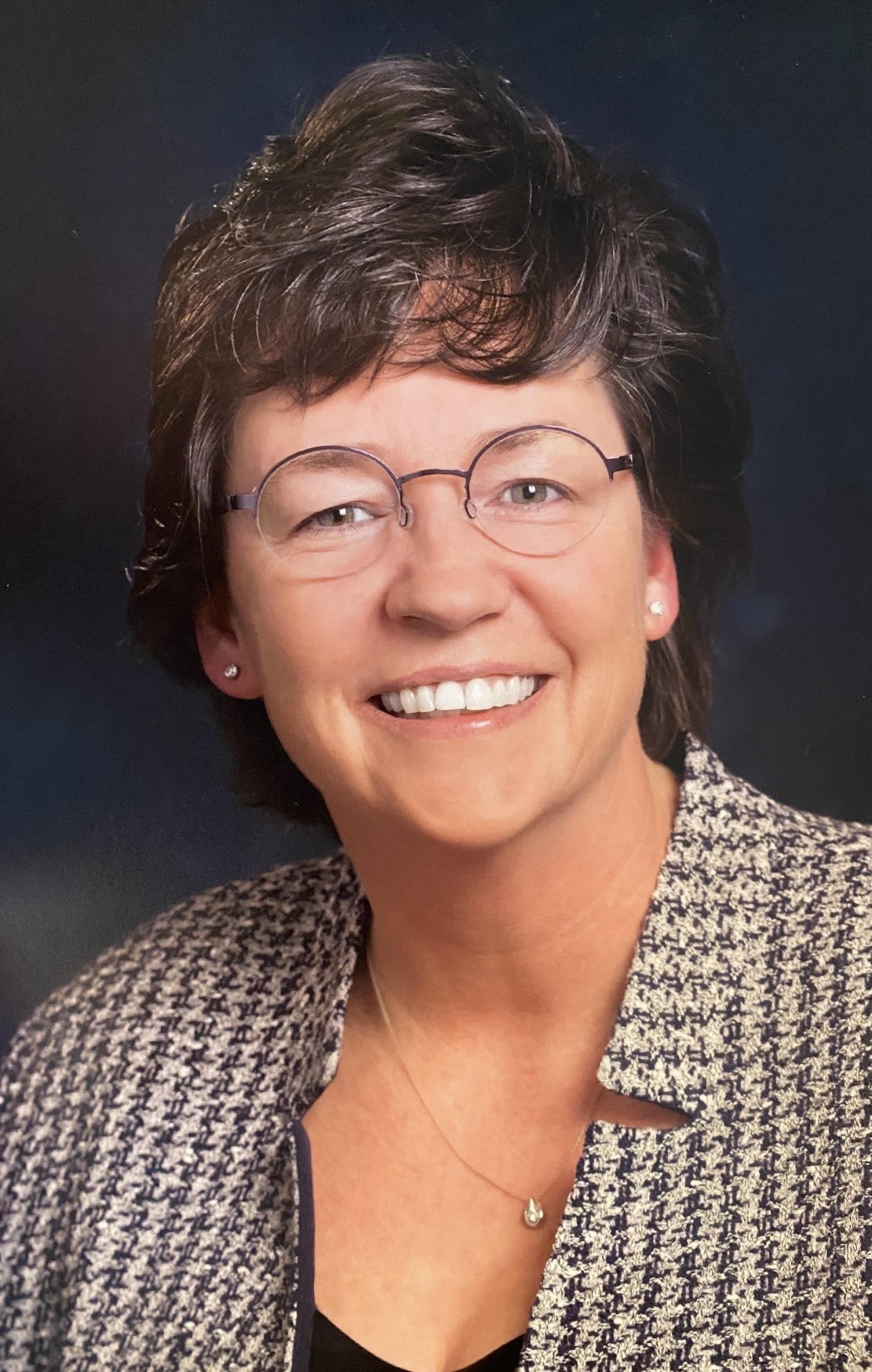
As a woman, I can relate to the many different layers of feelings involved with cancer that affects only women. We will talk frankly about cancer treatment options. But we will also talk about hope for a bright future, because we have that too.
DeEtte R. Vasques, DO, MBA
Every page here is written to be read by someone who is worried, on a phone, and short on patience for medical language. Start wherever your question is.
Also called endometrial cancer. Bleeding after menopause is the warning sign, and here is why that matters so much.
Ordinary symptoms that do not go away. What to watch for, and why there is no screening test.
One of the few cancers we can usually prevent outright, and one we can find years before it starts.
An itch or a sore that will not heal deserves a biopsy, not another cream.
Which cancers have a screening test, which do not, and what finds the rest early.
When to start, how often, and what changed in the 2026 guidance.
What HPV is, which cancers it causes, and the vaccination schedule by age.
What the yearly visit covers, and the one sentence worth practicing before you go.
What the operation removes, and how robotic and open surgery compare.
Fasting, which medications to stop and when, and what to bring with you.
Pain, gas, incisions, lifting limits, and the recovery timeline for each procedure.
What is an emergency, what needs a same-day call, and what is simply normal.
800 W Magnolia Ave, Fort Worth, TX 76104
Open in Google Maps (opens in a new tab)